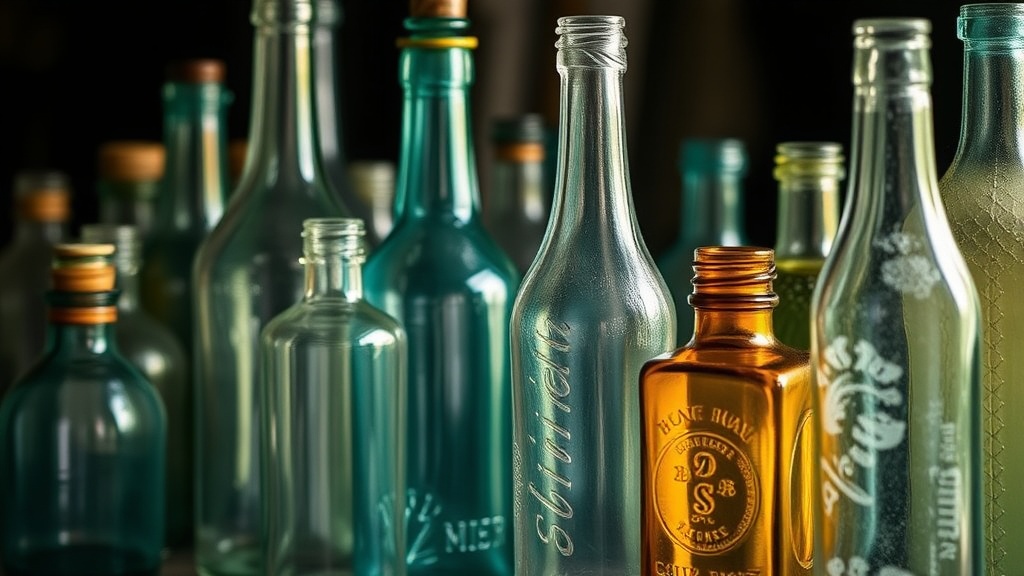
Collecting Vintage Glass Bottles and Identifying Quality Pieces

Why Most Collectors Overlook Bottle Provenance
A common mistake among new collectors is assuming that any old glass bottle found in a basement or an antique shop is a high-value find. They see a shape—a bulbous base or a long neck—and assume they've struck gold. In reality, many of these pieces are common utility glass with zero collector interest. The real value isn't just in the glass itself, but in the specific manufacturing marks and the historical context of the maker. Understanding the difference between a common soda bottle and a rare apothecary vessel requires more than just a keen eye; it requires a deep dive into glass-making history and material science.
This post covers the specific markers that separate high-value vintage glass from common household leftovers. We'll look at the physical characteristics that define quality, the marks that signify authenticity, and how to spot the difference between hand-blown artistry and mass-produced industrial glass. If you're looking to build a collection of bottles that actually holds value, you need to move beyond the surface level.
What Makes a Vintage Bottle Rare?
When we talk about rarity in the world of glass, we aren't just talking about how many exist in a warehouse. We're talking about the production methods used at the time. Before the mid-20th century, much of the glass seen in consumer products was produced using methods that left distinct-looking physical evidence. A bottle produced via mouth-blown techniques will have a different weight, texture, and imperfection profile than one produced by an automated machine.
Here are the primary factors that drive rarity and value:
- Manufacturing Method: Hand-blown bottles often feature seams that don't run up the neck, or slight irregularities in the glass thickness. These are the hallmarks of pre-industrial production.
- Color Variations: While clear glass is common, specific pigments like cobalt blue, amber, or deep emerald green can significantly change the desirability of a piece.
- Maker's Marks: A bottle with a clear, embossed logo or a specific patent number is always more valuable than a plain, unbranded vessel.
- Capacity and Shape: Unusual shapes—such as those designed for specific medicinal liquids or niche soda flavors—often command higher prices in the secondary market.
To truly understand the nuances of glass production, you can study the archives at the Corning Museum of Glass. Their resources offer a deep look into how different eras of glass-making shaped the objects we find today.
How Do I Identify Authentic Antique Glass?
Identification is where most collectors fail. You might find a bottle that looks "old," but is it actually an antique or just a modern reproduction? The first thing to look for is the seam. On modern, machine-made bottles, the seam typically runs all the way up the body and through the lip. On many antique bottles, the seam stops before the neck or is entirely absent due to the way the mold was used.
Another indicator is the presence of "pontil marks." A pontil mark is a scar left on the base of a bottle where the glassblower's rod was detached. It's a sign of hand-blown craftsmanship. If you see a rough, circular mark on the bottom, you're likely looking at a piece that predates the era of high-speed automation. You should also check for bubbles, also known as "seeds," or small imperfections in the glass. While modern collectors might see these as flaws, in the world of vintage glass, they are evidence of the era's production techniques.
For more technical details on dating glass through color and texture, the Library of Congress digital collections often host historical records that can help verify the timeline of certain manufacturing techniques and styles.
Where Should I Store My Bottle Collection?
Display is just as important as the hunt. If you leave your collection in a standard cabinet, you might be doing more damage than you realize. Glass is incredibly durable, but it isn't invincible. Environmental factors play a massive role in the long-term preservation of your collection.
Temperature and Humidity Control: Rapid temperature changes can cause thermal shock, leading to cracks or even shattering. While glass is generally stable, extreme heat can cause certain types of older, thinner-walled bottles to become brittle. Always keep your collection away from direct sunlight and heat sources like radiators or fireplaces.
UV Exposure: This is a major issue for colored glass. While the glass itself is relatively stable, the labels or any remaining residue inside the bottle can be degraded by UV light. If you have a bottle with a vintage-style label or a decorative stopper, keep it out of the sun. Prolonged exposure can fade pigments and damage the integrity of any accompanying paper elements.
| Storage Factor | Risk Level | Mitigation Strategy |
|---|---|---|
| Direct Sunlight | High | Use UV-filtering glass cases or opaque shelving. |
| Humidity | Medium | Maintain a stable environment; avoid damp basements. |
| Physical Vibration | Low | Use non-slip mats in display cases to prevent sliding. |
| Temperature Spikes | Medium | Avoid placement near HVAC vents or windows. |
A well-organized collection isn't just a pile of glass; it's a curated set of historical artifacts. When you display these pieces, you're telling a story about the industrial and social history of the time. Whether it's a soda bottle from a defunct local brand or a medicinal vessel with a unique embossed pattern, treat every piece with the respect its history deserves.
Finding these pieces requires patience. You won't find the best bottles at the big-box retailers or even at most standard antique malls. You have to look in the places where the "unrefined" items end up—estate sales, small-town auctions, and specialized collectors' forums. The goal is to find the piece that everyone else passed over because they didn't see the mark or the shape for what it actually was.