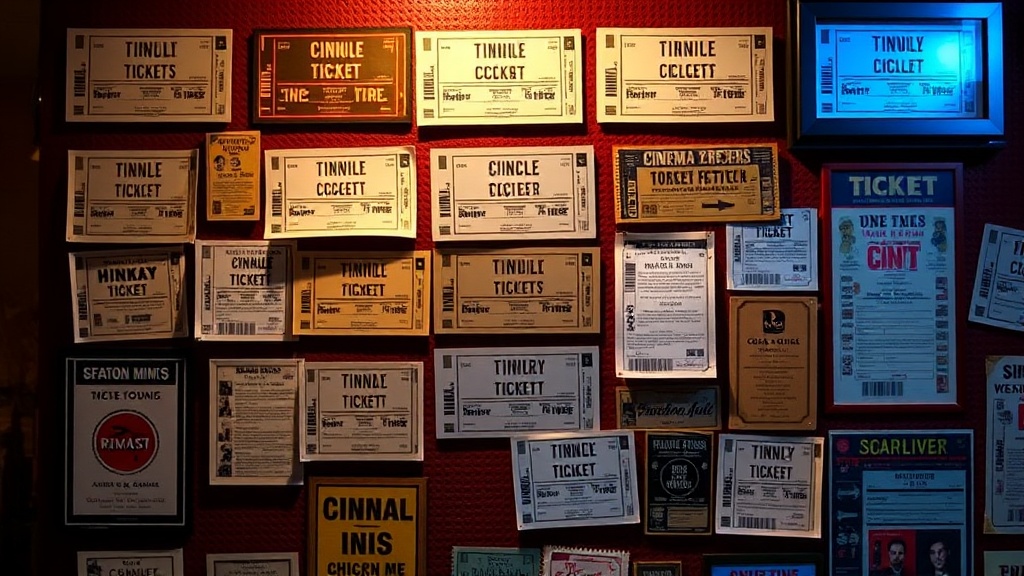
How to Display Your Cinema Ticket Collection Like a Pro

A well-displayed cinema ticket collection turns forgotten scraps into conversation pieces. This guide covers practical display methods, preservation supplies, and organization systems that protect tickets from fading, tearing, and yellowing. Whether someone has three tickets from opening night screenings or three hundred from decades of moviegoing, the right approach makes every stub visible and safe.
What Are the Best Ways to Display Cinema Tickets Without Damaging Them?
The safest display methods use archival materials and avoid adhesives that touch the ticket directly. Acid-free photo albums with clear pockets work well for casual collectors. Michaels and other craft retailers sell archival storage pages designed for standard ticket sizes—typically 2 by 5.5 inches for modern cinema stubs.
Frames offer wall-worthy presentation. The Gallery Solutions 11x14 Shadow Box Frame (available at Target and Amazon) provides 1.5 inches of depth—plenty for tickets, photos, and small memorabilia from the same screening. Shadow boxes keep dust away while allowing full visibility. Worth noting: direct sunlight destroys tickets faster than almost anything else. Hang frames on interior walls, never near windows.
Scrapbooking remains popular among serious collectors. The We R Memory Keepers Album uses page protectors that prevent acid migration from older tickets. This matters—thermal paper tickets (common from 1995 onward) react badly to acidic materials and heat.
Some collectors prefer floating frames. These sandwich tickets between two sheets of glass or acrylic without borders. The result looks clean and modern. The catch? Tickets slide if not secured properly. Use archival corners—small paper triangles that hold items in place without adhesive contact. Lineco and Gaylord Archival both make reliable versions.
For ticket stubs with sentimental value—first dates, premieres, final screenings at closed theaters—consider individual display cases. Small acrylic stands, similar to those used for sports cards, hold single tickets upright on desks or shelves. The Ultra PRO One-Touch Magnetic Holder (35pt thickness) fits most standard tickets and seals them from air and moisture.
How Do You Organize a Large Cinema Ticket Collection?
Organization systems depend on collection size and personal preference, but chronological sorting works best for most collectors. Start with a simple inventory. Lay tickets out on a clean table and group by year, then by month within each year. This reveals patterns—heavy moviegoing summers, date-night traditions, film festival binges.
Here's a proven system used by Minneapolis collectors (including those active in the Trading Card Database community, which includes ticket collectors):
- Chronological binders: One 3-ring album per year or decade
- Themed groupings: Separate sections for IMAX screens, midnight premieres, film festivals, or closed theaters
- Condition coding: Flag pristine tickets versus damaged ones for prioritizing preservation
- Digital backup: Scan or photograph every ticket before storage
Some collectors organize by theater chain. A dedicated section for Alamo Drafthouse tickets (known for distinctive designs) makes sense. Others sort by director—Scorsese screenings together, Spielberg screenings together. The thing about personal collections: the system only needs to make sense to the owner.
Database tracking helps large collections. Simple spreadsheets work. Columns might include: date, film title, theater name, city, ticket condition, purchase method (box office vs. online), and notes about the experience. This creates a searchable record that outlasts fading ink.
Here's the thing about thermal tickets: the text disappears. Heat-sensitive paper loses its print over time—sometimes in as little as five years. Scanning preserves information that physical tickets cannot. Store digital files in multiple locations: cloud storage, external drives, and (for the truly cautious) printed backup lists in the binders themselves.
What Supplies Do You Need to Preserve Movie Tickets Long-Term?
Archival preservation requires specific materials—not expensive, but specific. Standard plastic sleeves contain PVC, which releases gases that destroy paper over decades. Archival polypropylene or polyester (Mylar) sleeves cost more upfront but protect indefinitely.
| Supply | Recommended Product | Approximate Cost | Purpose |
|---|---|---|---|
| Storage pages | Print File Archival Storage Pages (3.5x5.5) | $12-15 per 25 | Individual ticket pockets |
| Album binder | We R Memory Keepers Classic Leather Album | $25-35 | Acid-free housing |
| Corner mounts | Lineco Self-Adhesive Polypropylene Corners | $8-10 per 250 | Securing tickets without adhesive contact |
| Shadow box | Gallery Solutions 11x14 Shadow Box | $20-30 | Wall display for featured items |
| Desiccant packs | Dry-Packs Silica Gel (indicating type) | $10-15 per 50 | Moisture control in storage |
| Cotton gloves | Gaylord Archival Nitrile or Cotton Gloves | $8-12 per pair | Handling without transferring oils |
Temperature and humidity matter more than most collectors realize. Ideal storage conditions: 65-70°F with 35% relative humidity. Basements and attics destroy collections. That said, most people store tickets in living spaces already climate-controlled for human comfort—which works fine.
Light exposure determines fading speed. UV-filtering glass in frames helps. For albums kept on shelves, the spine blocks most light. Rotate displayed tickets every few months. The ones in shadow boxes or on desks should swap places with stored copies to distribute light exposure evenly.
Creative Display Ideas Beyond Basic Storage
Some tickets deserve special treatment. Opening night stubs from The Dark Knight (2008) or Avatar (2009)—films that changed theater technology—warrant featured placement. Create a "greatest hits" wall with a dozen significant screenings arranged in a grid.
Map-based displays work well for travel collectors. A framed map of the United States (or world) with tickets pinned to locations creates visual storytelling. Push Pin Travel Maps sells framed cork maps designed exactly for this—tickets push in easily, no adhesives needed.
Digital photo frames cycle through scanned ticket images. These sit on desks or mount on walls, showing different stubs every few seconds. The BSIMB Digital Picture Frame (10-inch model) accepts SD cards loaded with high-resolution ticket scans. Visitors see the collection without handling fragile originals.
Ticket collectors in Minneapolis have access to excellent resources. The Minnesota Historical Society's preservation department offers free guidance on paper conservation. Their workshops cover exactly these topics—archival methods for ephemeral materials like tickets, photographs, and documents.
Working with Damaged or Faded Tickets
Not every ticket survives in perfect condition. Coffee stains, torn edges, and faded text happen. For damaged items, document the condition honestly in your inventory. Don't attempt repairs with tape—archival repair tissue exists for paper conservation, but practice on worthless scraps first.
Thermal paper tickets present unique challenges. When the text fades, it's usually gone forever. Some collectors use side-lighting (raking light across the surface) to reveal faint impressions. Others apply gentle heat—hair dryers on low, held at distance—to temporarily darken faded thermal prints for photography. This is risky. Heat also accelerates future fading.
That said, a faded ticket still holds value. The physical object represents the memory. Many collectors prefer displaying slightly damaged tickets over pristine replacements. The wear tells a story—the coffee stain from a spilled drink during a horror movie jump scare, the bent corner from being stuffed in a pocket during an emotional ending.
Where to Find Display Supplies and Inspiration
Specialty retailers serve the archival market better than general craft stores. Gaylord Archival, University Products, and Light Impressions carry museum-quality supplies sized for tickets and ephemera. Prices run higher than Michaels or Jo-Ann, but the protection justifies costs for irreplaceable items.
Online communities provide inspiration. Reddit's r/movies and r/dvdcollection include ticket display threads. Instagram hashtags like #ticketstubcollection and #moviememorabilia showcase creative arrangements. The Movie Ticket Stub Collectors group on Facebook (over 15,000 members) shares photos of elaborate home displays—entire walls covered in framed stubs, organized by color, date, or personal significance.
Estate sales and thrift stores sometimes yield vintage ticket storage. Old photo albums from the 1970s—designed for film strip negatives—often fit ticket dimensions perfectly. Just verify they're archival quality (no PVC, no acidic paper) before trusting decades-old materials with your collection.
Your cinema tickets chronicle years of stories, emotions, and shared experiences. With proper display methods and archival materials, those stories remain visible and protected for decades. Start with a simple album and acid-free pages. Expand to shadow boxes and featured displays as the collection grows. The tickets survived the screenings—they deserve to survive the storage too.
Steps
- 1
Sort and organize your cinema tickets by date, movie, or theater
- 2
Choose the right display method: shadow boxes, albums, or wall frames
- 3
Preserve tickets using archival materials and proper mounting techniques