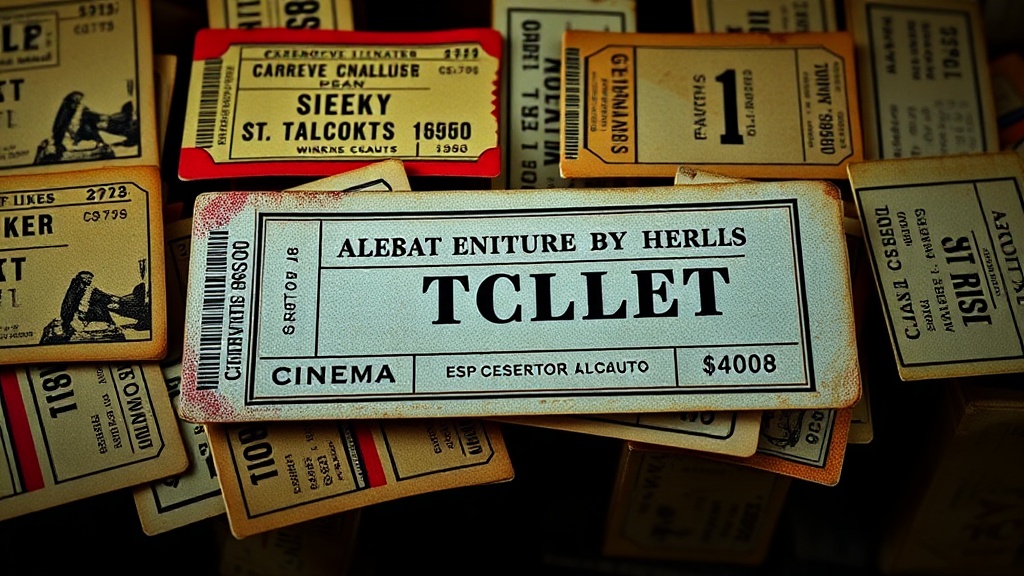
How to Preserve and Display Your Cinema Ticket Collection

What This Guide Covers (And Why Your Tickets Deserve Better)
This guide covers the complete process of preserving cinema tickets—from proper storage materials to creative display options that protect while showcasing a collection. Cinema tickets carry more than printed dates and seat numbers. They're tangible connections to first dates, midnight premieres, films that changed perspectives, and memories that fade while the paper remains. Without proper care, thermal-printed stubs turn black, ink smudges, and edges crumble. With the right approach, these small artifacts last decades—clean, legible, and ready to trigger stories worth telling. Whether the collection spans five tickets or five hundred, the methods here scale to fit any commitment level and budget.
What's the Best Way to Store Cinema Tickets Long-Term?
The best way to store cinema tickets long-term is in acid-free, archival-quality materials kept in a cool, dry environment away from direct light. Thermal paper—the standard for most cinema tickets since the 1990s—is notoriously unstable. Heat, humidity, and light trigger chemical reactions that turn receipts into blank slips or faded ghosts. Archival storage interrupts this deterioration.
Start with the materials touching the tickets. Standard plastic sleeves and albums contain PVC, which releases acids over time and bonds to paper surfaces. Instead, choose polypropylene or Mylar (polyester) sleeves rated for archival use. The Gaylord Archival 3-ring binder pages designed for currency or postcards work perfectly—crystal clear, chemically inert, and available in 2x2 or 3x5 configurations that accommodate standard ticket dimensions.
For loose storage, archival photo boxes from Lineco or Hollinger Metal Edge provide museum-quality protection. These boxes use buffered, acid-free board that neutralizes environmental pollutants. Store tickets flat—never folded or rolled—and separate them with unbuffered acid-free tissue if stacking multiple layers. (Buffered tissue contains calcium carbonate that can react poorly with some thermal coatings, so unbuffered is the safer choice for modern tickets.)
The environment matters as much as the materials. Ideal conditions run 65°F at 35% relative humidity—roughly standard room temperature in climate-controlled spaces. Attics, basements, and direct window light destroy collections silently. If the storage space feels uncomfortable for extended human occupation, it's wrong for tickets.
How Do You Display Cinema Tickets Without Damaging Them?
You display cinema tickets without damage by using UV-protective frames, shadow boxes with spacers, or magnetic floating frames that prevent direct contact with glass. Display exposes tickets to their biggest threats—light and handling—so protection becomes non-negotiable.
For wall displays, standard frames from craft stores destroy tickets within months. The glass presses directly against paper (trapping moisture and promoting mold), and non-UV glass allows damaging wavelengths to fade ink. Instead, look for conservation-grade frames with these features: UV-filtering acrylic or glass, acid-free matting, and proper depth to prevent contact between ticket and glazing.
Shadow boxes offer the best balance of visibility and protection. The depth creates space between the ticket and cover, and quality versions include acid-free backing. Michaels' Collector's Museum shadow boxes include UV-protective acrylic and come in sizes that accommodate ticket arrangements—expect to pay $25-40 depending on dimensions. For a premium option, Framebridge builds custom conservation frames with museum glass that blocks 99% of UV rays.
Magnetic floating frames—like those from Umbra or Prisma—suspend tickets between two panes of glass using magnets at the corners. These look striking for single special tickets (opening nights, rare prints, IMAX premieres) but expose edges to air and handling. Reserve them for tickets with duplicates in archival storage, or rotate displayed pieces every few months.
Tabletop displays face different challenges. Acrylic ticket stands from Cotton On or Typo prop tickets at readable angles while keeping them accessible. For collections, consider a ticket album with archival pages—We R Memory Keepers and Becky Higgins Project Life both offer systems compatible with standard cinema tickets. These stay on coffee tables, ready for browsing without the commitment of wall mounting.
Which Preservation Methods Actually Work for Thermal Paper?
Only cold storage, lamination with archival materials, and digitization actually work for preserving thermal paper long-term. Thermal paper relies on chemical coatings that darken when heated—convenient for instant printing, catastrophic for longevity. Most "preservation" methods accelerate deterioration.
Lamination remains controversial among archivists. Standard thermal laminating pouches generate heat during application—often enough to darken or blacken the ticket entirely. Cold laminating pouches from Scotch or Xyron machines avoid heat damage but trap the ticket in plastic that may outgas over decades. If laminating, use only archival-quality cold laminate rated for 100+ year stability and accept that the process is irreversible.
Encapsulation differs from lamination—tickets slide into sealed polyester sleeves without adhesive contact. This allows removal if better methods emerge and provides rigidity that prevents bending. University Products sells archival polyester encapsulation kits sized for documents and tickets.
Digitization serves as insurance against physical loss. High-resolution scanning at 600 DPI captures both sides of each ticket, preserving the visual record even if the paper deteriorates. Store digital files in three locations—local drive, external backup, and cloud service like Google Drive or Dropbox. Apps like Trove and Collectr specialize in cataloging collections with photo documentation, date fields, and notes about the viewing experience.
Storage Material Comparison
| Method | Protection Level | Cost | Accessibility | Best For |
|---|---|---|---|---|
| Archival binder pages | High | $15-25 per 100 | Immediate | Active collections, frequent handling |
| Archival storage box | Very High | $20-40 per box | Moderate | Long-term preservation, bulk storage |
| Magnetic floating frame | Low | $12-20 each | Immediate | Single special tickets, rotation display |
| Conservation shadow box | High | $25-60 | Low | Wall display, permanent arrangements |
| Cold lamination | Moderate | $30-50 (machine + pouches) | None (permanent) | Duplicates, tickets already fading |
| Polyester encapsulation | High | $20-35 per 50 | Moderate | Valuable tickets requiring rigidity |
What About Creative Display Ideas Beyond Standard Frames?
Creative display options include ticket garlands, memory jars, scrapbook integration, and specialty ticket albums designed for cinema stubs. These approaches trade maximum archival protection for personal expression—worthwhile when duplicates exist or when the display itself carries meaning.
Ticket garlands string stubs across walls, doorways, or headboard perimeters using twine and mini clothespins. (Avoid adhesive directly on tickets—glue residues penetrate paper and discolor over time.) The Ticket Stub Diary from Chronicle Books provides acid-free pages with dedicated fields for film title, date, rating, and review—turning storage into an interactive journal.
Memory jars fill glass containers with tickets from specific periods—"2024 in Film" or "Our First Year Dating." Layer tickets with ticket-shaped confetti, dried cinema popcorn (sealed separately to avoid attracting pests), or small props like 3D glasses. These become conversation pieces that invite storytelling rather than passive observation.
For serious collectors, scrapbooking integrates tickets with photos, programs, and handwritten memories. Use only archival-quality albums with lignin-free paper and photo-safe adhesives. Creative Memories and Stampin' Up! both offer lines specifically designed for memorabilia preservation. Include context—who attended, theater location, pre-show dinner, post-film debates. The ticket becomes an entry point to fuller memories.
Some collectors mount tickets alongside movie posters or lobby cards from the same film. Custom matting in conservation frames accommodates both elements, creating visual narratives. The Academy of Motion Picture Arts and Sciences recommends this approach for themed collections, noting that contextual displays often matter more than the individual items.
How Long Do Cinema Tickets Actually Last?
Cinema tickets printed on thermal paper typically last 3-5 years before noticeable fading occurs without protection, while properly archived tickets can remain legible for 20+ years. The gap between these outcomes comes down to handling, environment, and materials.
Signs of deterioration appear gradually. First, the paper yellows at edges. Then text fades to lighter grays. Eventually, thermal coatings activate unpredictably—leaving black smudges or blank sections where printing once appeared. Once this chemical reaction starts, no restoration reverses it. Prevention remains the only strategy.
For collections already showing age, prioritize digitization immediately. Scan both sides, enhance contrast in photo editing software if needed, and print archival copies on acid-free paper. These reproductions display while originals rest in cold storage. The Library of Congress Preservation Directorate recommends this "access copy" approach for deteriorating documents of personal significance.
Worth noting: older tickets—pre-1990s—often used carbon paper or offset printing rather than thermal coatings. These survive better but face different threats. Carbon copies flake; offset ink cracks when folded. Handle vintage stubs with cotton gloves if possible, and never attempt cleaning or repair without consulting a professional conservator.
Your collection tells a story only you can narrate. Every ticket represents a choice—to leave the house, to sit in the dark with strangers, to experience something projected larger than life. Preserve those choices with materials that respect their fragility, display them with methods that honor their meaning, and handle them knowing that someday someone else might hold these same small rectangles, wondering about the stories they contain.
Steps
- 1
Sort and categorize your ticket collection by date, movie, or theater
- 2
Store tickets in acid-free archival sleeves away from heat and light
- 3
Display prized tickets using UV-protective frames or shadow boxes