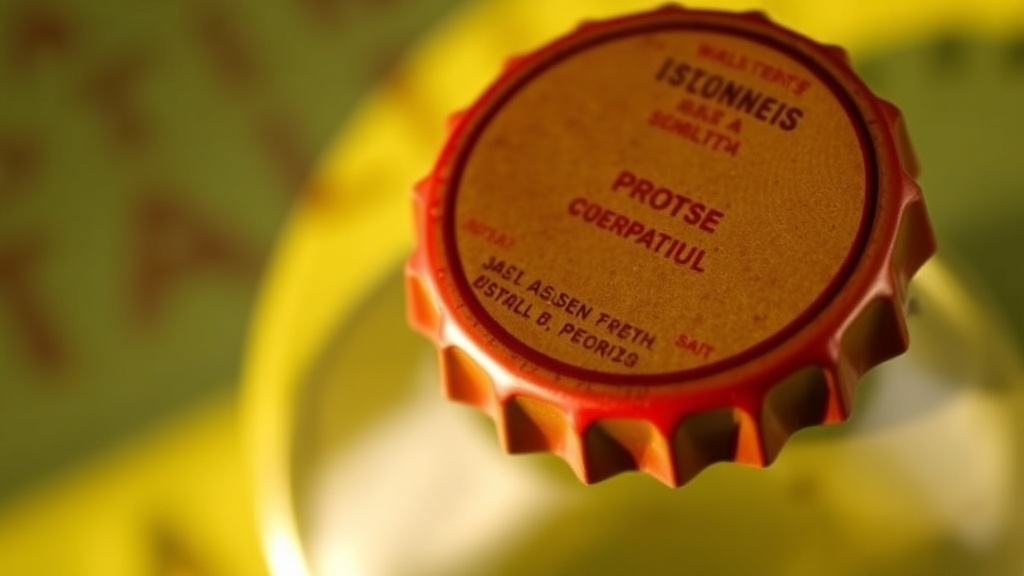
Preserving the Shine on Vintage Metal Bottle Caps

The oxidation of a single soda cap can strip away decades of history in a matter of months.
Metal, particularly the thin-gauge steel used in mid-century beverage production, is incredibly sensitive to the environment. A single drop of moisture or a fingerprint left on a weathered surface can trigger a chemical reaction that turns a pristine collectible into a pile of rust. This post covers the specific methods for cleaning and stabilizing vintage metal bottle caps to ensure they remain shelf-ready for years. We're looking at the chemistry of oxidation and the physical steps required to handle these small, delicate items without causing permanent damage.
Collectors often overlook the fact that many vintage caps aren't just painted metal; they are often coated in various-thickness enamels or even thin layers of lacquer. When these layers fail, the underlying metal reacts with the oxygen in the air. It's a slow, silent process, but it's relentless. If you've ever found a cap that looks slightly dull or has a reddish tint around the crimped edges, you're seeing the first signs of structural decay.
How do I remove rust from a vintage bottle cap?
If you've inherited a collection that's seen better days, you might feel a sense of panic. You aren't alone. The first rule of cleaning is to avoid aggressive abrasives. Sandpaper or heavy steel wool will strip the decorative ink or enamel right off the cap, leaving it a lifeless piece of scrap metal. Instead, try a gentle approach. For light surface rust, a soft-bristled toothbrush and a solution of white vinegar can work wonders. The acidity of the vinegar helps break down the iron oxide, but you must be careful—too much soak time can actually eat away at the paint or the metal itself.
For more stubborn spots, some collectors swear by a specialized metal polish, but only if the cap is uncoated. If there's still a hint of the original gloss or color, stick to a damp cloth and a mild, pH-neutral soap. You can find more technical details on metal aging through resources like the American Chemical Society, which explains how various metals react to environmental stressors. It's not just about aesthetics; it's about chemical stability.
The danger of over-cleaning
It's tempting to scrub away every imperfection, but a little "patina" isn't always a bad thing. In the world of high-end collectibles, an untouched surface is often more valuable than a scrubbed-clean one. If you over-clean, you're essentially removing the history that makes the piece unique. A slightly weathered cap tells a story of a specific era; a perfectly shiny one looks like a modern reproduction. Use caution and always test a small, inconspicuous area first.
Can I use chemicals to clean vintage metal?
This is a dangerous game. While it's tempting to grab a heavy-duty degreaser or a harsh industrial cleaner, these substances are often too aggressive for the thin-gauge steel found in soda caps. If you use a chemical that's too strong, you might strip the lithography (the printed design) right off the surface. Most vintage designs were applied using processes that are quite delicate. If you want to research more about the materials used in mid-century manufacturing, the Smithsonian Institution offers incredible-looking archives on industrial history and material science.
A better alternative is to use a mild, non-abrasive cleaner. If you're dealing with a particularly greasy or dirty cap, a bit of isopropyl alcohol on a cotton swab can be effective. It evaporates quickly and doesn't leave a residue that might attract moisture later. Just be sure to dry the item immediately and thoroughly. Any leftover moisture is an invitation for rust to return.
What is the best way to store metal collectibles?
Prevention is always better than a cure. Once you've cleaned your collection, how you store it determines its longevity. Humidity is your primary enemy. If you keep your caps in a basement or a damp attic, you're essentially setting them up for failure. A controlled environment is best. Using silica gel packets in your display cases or storage bins can help absorb excess moisture from the air. It's a cheap, easy way to add a layer of protection to your items.
When displaying your pieces, avoid direct sunlight. UV rays don't just fade the colors of the printed designs; they can also cause the metal to heat up and expand, which might crack any existing lacquer or protective coatings. If you're using a display case, ensure it's airtight. A high-quality acrylic or glass case provides a physical barrier against dust and humidity, keeping your collection in the same condition it was in when you first acquired it.
Avoid the "shiny" trap
There's a constant debate in the community: do you want a collection that looks brand new or one that looks authentic? For metal caps, the middle ground is usually the best. You want them to look well-cared-for, not brand new. A slightly aged look is acceptable, but a rusted look is a sign of neglect. Focus on stability—making sure the metal is no longer actively oxidizing—rather than trying to make it look like it just came off the assembly line in 1955.
Keep a close eye on your collection every few months. A quick inspection can help you spot early signs of oxidation before they become permanent-scale problems. If you see a new speck of orange or a dulling of the color, it's time to act. A little bit of maintenance goes a long way in preserving the value and the beauty of these small, often overlooked pieces of history.