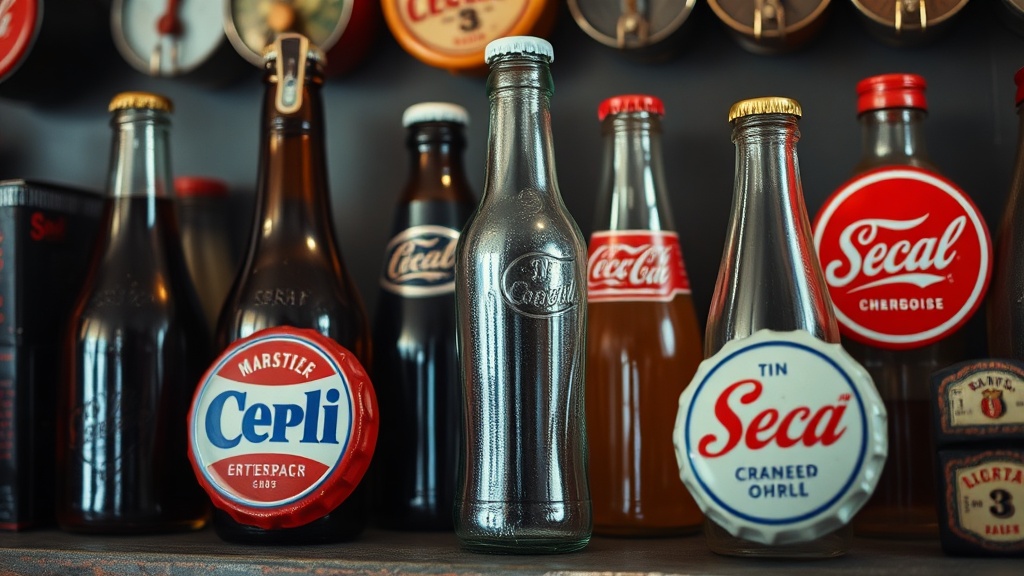
Rare Prop Bottles and Vintage Soda Caps to Track Down

Iconic Prop Glassware
Limited Edition Soda Caps
Vintage Glass Bottle Sets
Are you wondering why certain empty glass bottles or rusted metal caps command hundreds of dollars at auction while others sit in junk bins? This post identifies the specific high-value targets in the world of cinema-related bottles and soda caps, focusing on the rare artifacts that define the "Bottles, Caps & Smalls" niche. We'll look at the specific brands, eras, and production quirks that separate a common piece of trash from a museum-grade collectible.
Collecting small-scale cinema memorabilia isn't just about finding old stuff. It's about identifying the specific items that production designers used on screen or that tie directly into film history. A random Coke bottle won't move the needle for a serious collector—but a specific promotional bottle from a 1980s blockbuster might.
What are the most valuable vintage soda caps to collect?
The most valuable vintage soda caps are typically those produced for limited-run film tie-ins or specific regional promotions from the mid-20th century. Collectors look for "error" caps, unbranded blank tops, or those featuring high-relief imagery from classic cinema-era advertisements.
During the 1950s and 60s, soda companies often ran heavy-duty promotional campaigns. These weren't just paper labels; they were metal-stamped pieces of art. If you find a cap from a defunct brand that was featured in a classic film—think of the old-school soda fountain aesthetics in Grease—you've hit gold.
Keep an eye out for these specific types:
- The "Blank" Top: These are often unprinted metal caps used during early production runs. They are incredibly rare and highly sought after by specialized bottle collectors.
- Cinema-Specific Promotions: Caps that feature logos from movie-themed soda brands or limited-edition releases for a specific film release.
- The "Crown" Style: Older, heavier metal caps with more intricate crimping.
The value often hinges on the "pop" of the color. If the red of a Coca-Cola cap or the blue of a Pepsi cap has faded due to sun exposure, the price drops significantly. (I've seen collectors lose hundreds because they didn't realize a faded cap was worth much less than a vibrant one.)
Which movie prop bottles are worth tracking down?
The most valuable movie prop bottles are those that were physically used in a scene and are documented as "on-screen"-used items. These are often specialized vessels, such as the distinctive glass-blown bottles seen in period pieces or unique branded vessels created specifically for a production.
When you're hunting, don't just look for any bottle. Look for the "Hero" versions. In the film industry, a "Hero" prop is the high-detail version used for close-ups. If a production needed a specific soda bottle to look "vintage" for a 1940s noir film, they might have used a real, authentic bottle from that era. This is where the real money is.
Here is a breakdown of what to look for when evaluating a bottle's potential:
| Bottle Type | Typical Value Tier | Why It Matters |
|---|---|---|
| Period-Correct Glass | Mid-Range | Authenticity for set decoration. |
| Prop-Specific Replicas | High | Direct tie-in to a famous scene. |
| Branded Promotional | Variable | Tie-ins with major studio releases. |
| "Hero" Glassware | Premium | Used in close-up shots on screen. |
If you're looking for more on the technical side of how items are authenticated, the Wikipedia page on props offers a great baseline for understanding the difference between a prop and a replica. Knowing this distinction is the difference between buying a piece of junk and buying a piece of history.
The "Small" in Small-Scale Collectibles
Don't overlook the "smalls." We're talking about things like bottle openers, branded coasters, or even the small metal closures used on certain types of vintage beverages. These are easy to ship, easy to store, and often overlooked by bigger collectors who are chasing large-scale memorabilia. A branded bottle opener from a defunct soda company can be a fantastic entry point into this hobby.
How do you preserve vintage glass and metal?
To preserve vintage glass and metal, you must keep them in a climate-controlled environment away from direct sunlight and high humidity. Moisture is the enemy of metal caps, and UV rays are the enemy of colored glass and printed labels.
I’ve seen too many collectors ruin a perfectly good find by washing a vintage cap in a dishwasher. The heat and chemicals will strip the paint and destroy the value instantly. Instead, use a very soft brush and lukewarm water if you absolutely must clean it. Most of the time, it's better to leave it alone.
For glass bottles, the biggest threat is "sick glass"—a term for glass that has undergone chemical changes due to poor storage or environmental exposure. This often results in a cloudy or iridescent appearance. To avoid this, keep your collection in a cool, dry place. If you're serious about display, look into museum-grade acrylic cases. They provide a barrier against dust and air without looking bulky.
When it comes to the metal components, oxidation is your primary concern. If a cap is starting to show signs of rust, it's a sign that your storage environment is too damp. You might want to look into the Library of Congress archives for historical context on how certain materials were manufactured, which can help you identify if a piece is genuine or a modern reproduction.
If you're interested in how to display your larger finds, you might find my previous post on how to preserve and display vintage cinema ticket stubs helpful for general display philosophy. The principles of light and humidity control are almost identical.
The Hunt: Where to Find the Good Stuff
You won't find the best bottles at the local thrift store. Usually, those are just the leftovers. To find the real gems, you have to go where the estate sales and specialized auctions happen. Estate sales for people who lived through the mid-century era are gold mines for "smalls."
Online auction sites are also a viable option, but you have to be careful. Many sellers don't actually know what they have. They'll list a "vintage soda bottle" without mentioning it was a prop from a specific film. This is where your research pays off. If you can find the connection, you can often snag a piece of cinema history for a fraction of its true value.
One thing to remember: always check the weight. Authentic vintage glass often feels different than modern, thin-walled glass. It has a certain heft to it. The same goes for metal caps. Modern "vintage-style" caps are often much lighter and feel flimsy compared to the heavy-gauge metal used decades ago.
Don't be afraid to ask questions. If you're buying from a private seller, ask for more photos of the rim of the bottle or the underside of the cap. If they can't provide clear shots, walk away. It's better to miss a deal than to buy a piece of worthless glass.
The world of bottles and caps is small, but the details are massive. Whether it's a tiny bit of color on a metal lid or a slight imperfection in a glass mold, those details are what tell the story of the era. Keep looking, keep studying the brands, and most importantly, keep your collection out of the sun.